
How Cold Atmospheric Plasma Reduces Inflammation in TSW-Affected Skin
How Cold Atmospheric Plasma Reduces Inflammation in TSW-Affected Skin
Science-Backed Guidance for Birmingham | Active Clinics
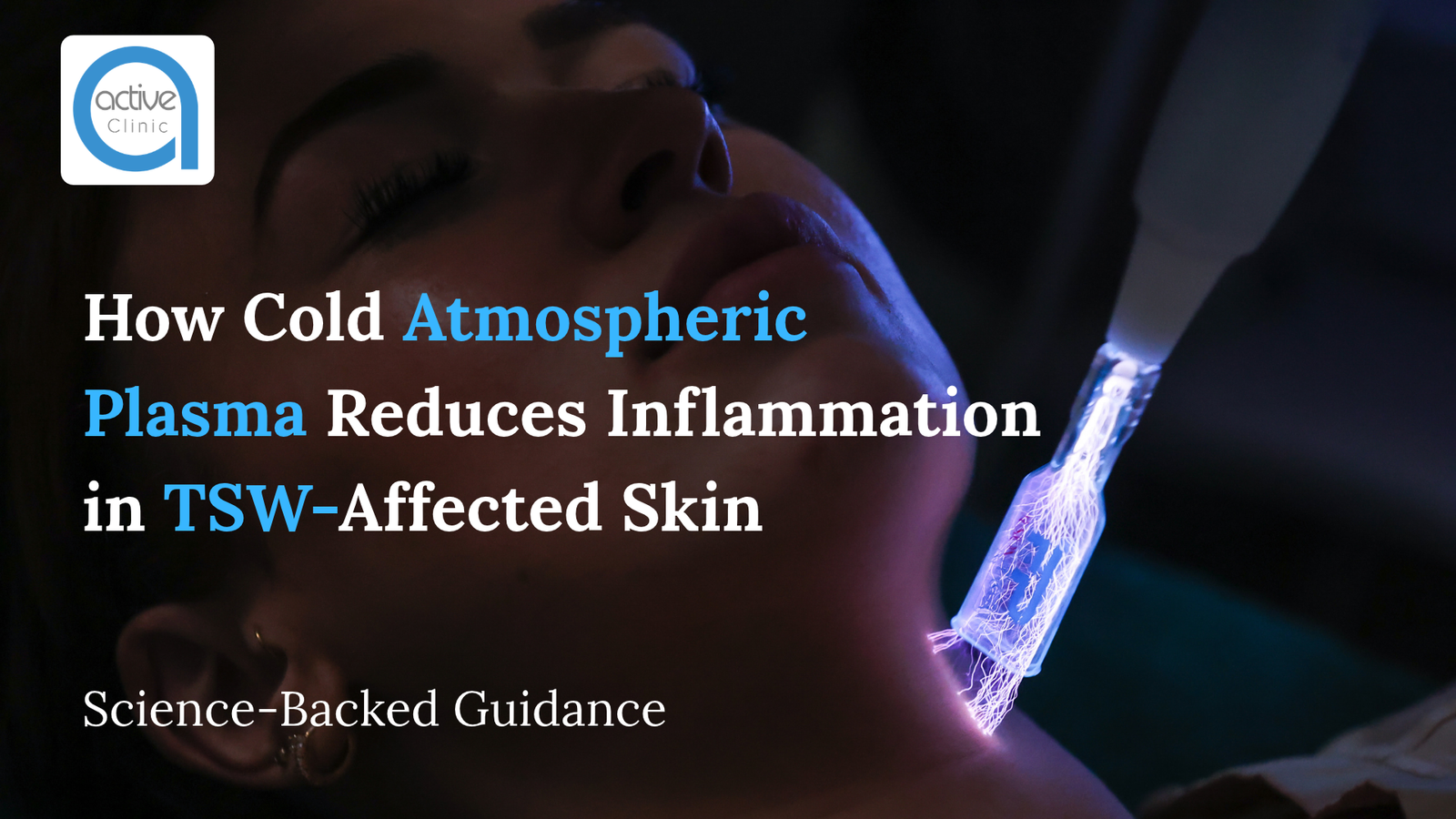
Topical Steroid Withdrawal, commonly known as TSW, is one of the most distressing and poorly understood skin conditions affecting people across Birmingham and the wider UK. Characterised by intense burning, severe redness, skin sensitivity, and persistent inflammatory flares following the cessation of long-term topical corticosteroid use, TSW can leave sufferers feeling trapped with no clear clinical pathway forward.
Conventional approaches to managing TSW are limited. Reintroducing steroids is counterproductive. Standard anti-inflammatory medications offer partial relief at best. What many people in Birmingham are now exploring is whether emerging technologies like Cold Atmospheric Plasma therapy can provide meaningful, drug-free relief for the inflammatory mechanisms driving TSW.
The emerging science is genuinely promising. Here is what it shows and why Fusion Plasma CAP Therapy Birmingham is attracting serious attention in this space.
What Is Topical Steroid Withdrawal and Why Is It So Difficult to Treat?
TSW occurs when the skin becomes dependent on topical corticosteroids applied over an extended period, typically months to years, for conditions such as eczema, psoriasis, or dermatitis. When the steroid is reduced or stopped, the skin undergoes a severe rebound inflammatory response that can be significantly worse than the original condition it was prescribed to treat.
The underlying mechanisms involve dysregulation of the skin's own immune and inflammatory pathways, disruption of the skin barrier, vascular abnormalities, and altered neurogenic signalling. This multi-layered dysfunction is why TSW is so resistant to conventional treatment approaches.
- TSW is characterised by intense burning, redness, skin peeling, and hypersensitivity
- The condition involves dysregulated inflammatory cytokine activity in the dermis
- Skin barrier function is severely compromised, increasing trans-epidermal water loss
- Neurogenic inflammation contributes to the characteristic burning sensation
- Standard anti-inflammatory medications address symptoms without resolving the underlying dysregulation
Research: Fukaya M et al. (2014), Drug, Healthcare and Patient Safety, published one of the first clinical descriptions of topical steroid withdrawal as a distinct clinical entity, documenting the inflammatory rebound mechanism and identifying dysregulated cytokine activity, particularly elevated IL-4, IL-13, and IL-31, as central drivers of the condition's persistent symptoms.
What Is Cold Atmospheric Plasma and How Does It Work on Skin?
Cold Atmospheric Plasma (CAP) is a partially ionised gas produced at or near room temperature, containing a complex mixture of reactive oxygen and nitrogen species (RONS), ultraviolet photons, electric fields, and charged particles. Unlike thermal plasma used in industrial applications, CAP operates at temperatures safe for direct contact with living tissue, making it suitable for clinical skin treatment.
When applied to the skin surface, CAP generates a precisely controlled burst of reactive species that interact with the skin's biological environment in several distinct and therapeutically relevant ways. Critically, these interactions are dose-dependent and controllable, allowing practitioners to target specific inflammatory and microbial mechanisms without damaging surrounding healthy tissue.

- CAP generates reactive oxygen species (ROS) and reactive nitrogen species (RNS) at therapeutic concentrations
- Operates at near room temperature, making it safe for sensitive and compromised skin
- Reactive species penetrate superficial skin layers without thermal injury
- Effects are localised, dose-dependent, and fully controllable in a clinical setting
- Fusion Plasma CAP Therapy Birmingham at Active Clinics uses clinically validated cold plasma technology
Research: Heinlin J et al. (2010), Journal of the German Society of Dermatology, conducted a landmark review of cold atmospheric plasma applications in dermatology, confirming that CAP-generated reactive species produced measurable anti-inflammatory, antimicrobial, and wound-healing effects in skin tissue at concentrations below the threshold of cellular toxicity.
How CAP Directly Targets the Inflammatory Mechanisms of TSW
The inflammatory profile of TSW is driven by several overlapping mechanisms, including elevated pro-inflammatory cytokines, mast cell activation, impaired regulatory T-cell function, and neurogenic inflammation. Cold atmospheric plasma addresses multiple of these pathways simultaneously, which is one of the reasons it is generating genuine clinical interest as a therapeutic option for TSW.
CAP-generated reactive species modulate the NF-kB signalling pathway, which is the master regulator of inflammatory gene expression in skin cells. By interrupting this pathway at a cellular level, CAP reduces the production of downstream pro-inflammatory cytokines including IL-6, IL-8, TNF-alpha, and IL-1-beta, all of which are elevated in TSW-affected skin.
- Modulates NF-kB, the central inflammatory signalling pathway in skin keratinocytes
- Reduces elevated IL-6 and IL-8 production in inflamed dermal tissue
- Suppresses TNF-alpha and IL-1-beta, key drivers of TSW-associated redness and burning
- Downregulates mast cell activity, reducing histamine-driven itch and flare responses
- Promotes regulatory T-cell activity, helping to rebalance the immune response in affected skin
Research: Arndt S et al. (2013), PLOS ONE, demonstrated that cold atmospheric plasma treatment significantly reduced pro-inflammatory cytokine expression, specifically IL-6, IL-8, and TNF-alpha, in human keratinocytes exposed to inflammatory stimuli. The study identified NF-kB pathway modulation as the primary mechanism, supporting CAP's potential as a targeted anti-inflammatory intervention for inflammatory skin conditions.
Active Clinics Insight: For TSW sufferers in Birmingham who have exhausted conventional options, Fusion Plasma CAP Therapy Birmingham offers a drug-free, non-steroidal approach that targets the inflammatory mechanisms of TSW at a cellular level rather than simply masking symptoms.
Skin Barrier Repair: A Critical Component of TSW Recovery
One of the defining features of TSW-affected skin is severe barrier dysfunction. Long-term steroid use thins the skin, suppresses natural ceramide production, and disrupts the tight junction proteins that maintain the skin's protective barrier. When steroids are withdrawn, the already compromised barrier deteriorates further, increasing sensitivity, trans-epidermal water loss, and vulnerability to secondary infection.
Cold atmospheric plasma has demonstrated a meaningful ability to support skin barrier repair. CAP stimulates fibroblast activity and promotes the synthesis of structural proteins including collagen and laminin, which are essential for restoring dermal integrity. It also modulates aquaporin expression, supporting improved skin hydration at a cellular level.
- CAP stimulates fibroblast collagen synthesis, supporting dermal structural repair
- Promotes tight junction protein expression, improving barrier impermeability
- Modulates aquaporin channels to improve cellular hydration and barrier moisture retention
- Reduces trans-epidermal water loss, a key marker of barrier dysfunction in TSW
- Supports the gradual restoration of skin architecture without steroid dependence
Research: Schmidt A et al. (2017), Scientific Reports, found that cold atmospheric plasma treatment significantly increased collagen type I and fibronectin production in human dermal fibroblasts, alongside measurable improvements in skin barrier protein expression. The authors concluded that CAP represents a promising non-pharmacological approach to accelerating dermal repair in compromised skin.
Antimicrobial Action: Addressing Secondary Infection in TSW
TSW-affected skin is highly susceptible to secondary bacterial and fungal infection, most commonly Staphylococcus aureus colonisation, which further amplifies the inflammatory response and prolongs flares. This creates a cycle in which infection drives inflammation, which further compromises the barrier, which increases infection susceptibility.
Cold atmospheric plasma is one of the most effective non-antibiotic antimicrobial agents known. CAP-generated reactive species disrupt bacterial cell membranes, denature pathogenic proteins, and degrade microbial DNA without promoting antibiotic resistance, making it particularly relevant for TSW skin where repeated antibiotic courses are both common and problematic.
- CAP disrupts bacterial cell membranes through reactive species, achieving rapid microbial kill
- Effective against Staphylococcus aureus, the most common coloniser in inflammatory skin conditions
- Does not promote antibiotic resistance, unlike repeated topical or oral antibiotic courses
- Antifungal activity also documented, addressing candida colonisation common in TSW
- Breaks the infection-inflammation cycle that prolongs TSW flares
Research: Maisch T et al. (2012), PLOS ONE, demonstrated that cold atmospheric plasma achieved greater than 99.99% reduction in Staphylococcus aureus colonies in vitro without generating resistant strains, confirming its potential as a resistance-free antimicrobial intervention for skin conditions characterised by bacterial colonisation and barrier compromise.
What to Expect from Fusion Plasma CAP Therapy Birmingham
At Active Clinics Birmingham, Fusion Plasma CAP Therapy is delivered using professional-grade cold plasma technology in a controlled clinical environment. For TSW-affected clients, treatment protocols are carefully adapted to the sensitivity and current state of the skin, with session intensity and duration adjusted to the individual's tolerance and inflammatory burden.
Sessions are non-invasive and typically well tolerated even by highly sensitive skin. Many clients report a mild tingling sensation during treatment. There is no thermal discomfort, no requirement for anaesthesia, and no significant downtime. Improvement in redness, burning, and skin texture is typically gradual and cumulative across a course of sessions.
- Sessions are non-invasive with no thermal injury to sensitive TSW-affected skin
- Protocol is individualised to the client's current skin state and tolerance
- Mild tingling sensation is commonly reported during treatment
- Improvement in redness, burning, and barrier function builds cumulatively across sessions
- No steroids, no pharmaceutical anti-inflammatories, no downtime required
Active Clinics Insight: TSW skin requires a patient, gentle approach. At Active Clinics Birmingham, our team adapts every Fusion Plasma CAP Therapy Birmingham session to your skin's specific condition, building a protocol that supports recovery without triggering further sensitivity or flare.
Supporting Recovery with Complementary Treatments
For TSW sufferers, plasma therapy works best as part of a broader skin health and wellness strategy. At Active Clinics Birmingham, several complementary treatments can support different aspects of TSW recovery, addressing inflammation, nutrition, and skin renewal from multiple directions simultaneously.
IV Drip Therapy Birmingham delivers high-dose Vitamin C, glutathione, and B vitamins directly into the bloodstream, supporting the antioxidant environment that TSW-affected skin desperately needs. Glutathione in particular helps neutralise the oxidative stress that drives inflammatory flares. Vitamin B12 Injections Birmingham support cellular repair and neurological function, relevant to the neurogenic inflammation component of TSW.
Hyperbaric Oxygen Therapy Birmingham improves tissue oxygenation throughout the body, supporting the skin's natural repair capacity and reducing systemic inflammation. Cryotherapy Chamber Birmingham reduces the systemic inflammatory burden that amplifies TSW flares, while the vasodilation rebound response supports improved circulation to recovering skin tissue. For skin texture and renewal following the acute TSW phase, Dr Schrammek Green Peel Birmingham, Skin Peels Birmingham, and HIFU Treatment Birmingham each offer routes to improving skin quality as the condition stabilises.
Research: Carr AC and Maggini S (2017), Nutrients, confirmed that intravenous Vitamin C at therapeutic concentrations significantly reduces inflammatory cytokine production and supports skin barrier integrity through collagen synthesis, making IV Drip Therapy Birmingham a clinically rational complement to plasma treatment in TSW recovery.
Frequently Asked Questions
Is Fusion Plasma CAP Therapy safe for TSW-affected skin?
Yes. Cold atmospheric plasma operates at near room temperature and does not cause thermal injury to sensitive skin. At Active Clinics Birmingham, treatment protocols for TSW clients are carefully adapted to the current state and sensitivity of the skin. A thorough consultation is conducted before any session to ensure the approach is appropriate for your specific condition.
How many sessions will I need to see improvement?
TSW recovery is gradual and individual. Most clients begin to notice improvements in redness, burning, and skin sensitivity after a course of sessions, typically between six and ten, though this varies depending on the severity and duration of TSW. Your practitioner at Active Clinics Birmingham will design a protocol based on your skin's current state and adjust it as your condition improves.
Can CAP therapy be used during an active TSW flare?
This depends on the severity of the flare. In some cases, a modified lower-intensity protocol can be applied even during active flaring to help reduce the inflammatory burden. In others, it may be preferable to allow the acute flare to subside before commencing treatment. A consultation at Active Clinics Birmingham will determine the most appropriate timing and approach for your situation.
Final Thoughts: A Drug-Free Path Forward for TSW in Birmingham
Topical steroid withdrawal is a genuinely difficult condition, and the people managing it deserve treatments backed by real science rather than guesswork. Cold atmospheric plasma is not a miracle cure, and recovery from TSW takes time regardless of the intervention. But the evidence supporting CAP's ability to reduce inflammatory cytokine activity, support barrier repair, and address microbial colonisation makes Fusion Plasma CAP Therapy Birmingham one of the most scientifically credible drug-free options available for TSW-affected skin.
At Active Clinics Birmingham, we take a thorough, individual approach to every client managing TSW, combining Fusion Plasma CAP Therapy Birmingham with complementary support through IV Drip Therapy Birmingham, Vitamin B12 Injections Birmingham, Hyperbaric Oxygen Therapy Birmingham, Cryotherapy Chamber Birmingham, and skin renewal treatments including Dr Schrammek Green Peel Birmingham, Skin Peels Birmingham, HIFU Treatment Birmingham, Skin Tag Removal Birmingham, and Tattoo Removal Birmingham, to address your recovery from every relevant angle.
If you are managing TSW in Birmingham and want to explore what plasma therapy could offer you, visit activeclinics.co.uk to book a consultation today.
activeclinics.co.uk | Fusion Plasma CAP Therapy Birmingham | IV Drip Therapy Birmingham | Hyperbaric Oxygen Therapy Birmingham
Cryotherapy Chamber Birmingham | Vitamin B12 Injections Birmingham | HIFU Treatment Birmingham | Dr Schrammek Green Peel Birmingham | Skin Peels Birmingham