
Cryotherapy vs Ice Bath: Which One Is Better?
Cryotherapy vs Ice Bath: Which One Is Better?
Science-Backed Comparison | Active Clinics Birmingham
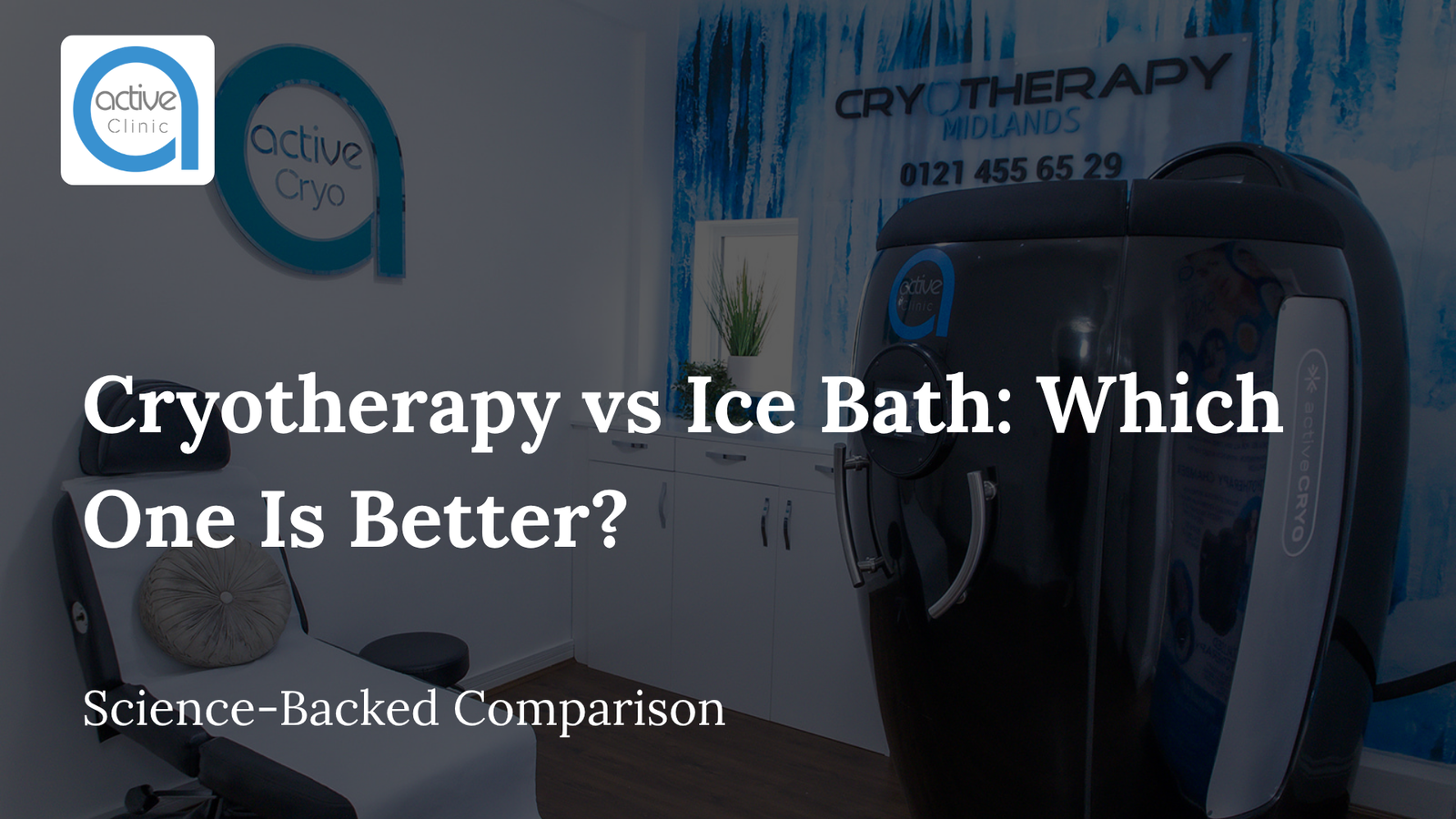
Cold therapy has gone from niche athletic recovery tool to mainstream wellness conversation almost overnight. Ice baths have been around for decades. Whole-body cryotherapy is the newer contender. Both use cold to trigger recovery and wellness benefits, but they work differently, feel different, and produce results that are not quite the same.
If you are in Birmingham and trying to decide which is worth your time and money, this guide breaks down the science honestly. No hype, no oversimplification. Just a clear look at what each method does, what the research shows, and which one is likely to serve your goals better.
How Each Method Works: The Basic Science
Both cold therapies share the same starting principle. Cold applied to the body triggers vasoconstriction, reducing blood flow to the skin and peripheral tissues. When the cold exposure ends, the body rebounds with vasodilation, flooding tissues with oxygenated blood and triggering a cascade of hormonal and cellular responses that support recovery, reduce inflammation, and boost mood.
The key difference lies in how each method achieves this and how deeply it affects the body.
- Ice bath: cold water at approximately 10 to 15 degrees Celsius, full body submersion for 10 to 20 minutes
- Cryotherapy Chamber: dry cold air upto minus 160 degrees Celsius for 3 minutes
- Ice baths cool the body slowly through water conduction, affecting skin and muscle tissue
- Cryotherapy cools the skin surface rapidly without significantly dropping core body temperature
Research: Bleakley et al. (2014), British Journal of Sports Medicine, found that while both methods reduce skin temperature effectively, whole-body cryotherapy produces a faster and more uniform skin cooling response than cold water immersion, with subjects reporting significantly better comfort and tolerability during cryotherapy sessions.
Inflammation Reduction: What the Evidence Shows
Reducing post-exercise or post-injury inflammation is the most cited reason people use cold therapy. Both methods can help, but the mechanisms and depth of effect differ in ways that matter depending on your goal.
Ice baths reduce local tissue temperature significantly, which slows metabolic activity and reduces localised swelling. Cryotherapy Chamber Birmingham triggers a more pronounced systemic hormonal response, releasing norepinephrine at levels up to three times higher than those seen in ice bath studies. Norepinephrine is one of the body's most potent natural anti-inflammatory agents.
- Ice baths are effective for localised muscle soreness and acute swelling
- Cryotherapy produces a stronger systemic anti-inflammatory hormonal response
- Norepinephrine released during cryotherapy suppresses systemic inflammatory cytokines
- Cryotherapy's anti-inflammatory effect extends beyond the muscular system to joints and connective tissue
Research: Banfi et al. (2010), British Medical Bulletin, reviewed clinical applications of whole-body cryotherapy and found that a single session produced a significant reduction in inflammatory markers including interleukin-1 and TNF-alpha, with the hormonal response attributed primarily to the extreme temperature differential rather than the duration of cold exposure.
Recovery and Athletic Performance: Which Works Faster?
For Birmingham's athletes and gym-goers, the practical question is simple. Which method gets you back training sooner? Both reduce delayed onset muscle soreness, but the speed and completeness of recovery differ.
Ice baths have a longer history in sports recovery and are well supported by research for reducing DOMS and perceived muscle fatigue. Cryotherapy Chamber Birmingham achieves similar outcomes in a fraction of the time, with the added benefit of being more comfortable, which matters for compliance over a training season.
- Ice baths: 10 to 20 minutes required for meaningful recovery benefit
- Cryotherapy: 3 minutes achieves comparable or superior recovery markers
- Cryotherapy produces higher norepinephrine release, supporting both physical recovery and mood
- Greater comfort during cryotherapy makes consistent use across a training programme more realistic
Research: Lombardi et al. (2017), Frontiers in Physiology, compared whole-body cryotherapy and cold water immersion in elite athletes over a competitive season. The study found that cryotherapy produced superior reductions in creatine kinase, a key muscle damage marker, alongside better self-reported recovery scores, concluding that cryotherapy was more effective as a systematic recovery tool.
Active Clinics Insight: Cryotherapy Chamber Birmingham at Active Clinics takes under three minutes and requires no preparation. Many Birmingham clients combine it with Hyperbaric Oxygen Therapy Birmingham on the same visit for a more comprehensive recovery protocol.
Mental Health and Mood: The Neurological Benefits of Cold
One benefit that is often overlooked in the cryotherapy versus ice bath conversation is the impact on mental health and mood. Cold exposure triggers the release of endorphins, norepinephrine, and dopamine, all of which contribute to improved mood, reduced anxiety, and increased mental clarity.
Both methods produce this effect, but the intensity of the neurological response is significantly greater during whole-body cryotherapy, where the extreme temperature drop creates a more powerful hormonal stimulus in a shorter window of time.
- Both cold methods trigger endorphin and norepinephrine release
- Cryotherapy produces a more intense neurological stimulus due to the extreme temperature differential
- Regular cold exposure is associated with reduced symptoms of anxiety and depression
- Many clients at Active Clinics Birmingham report improved mental clarity and energy following cryotherapy sessions
Research: Rymaszewska et al. (2008), Acta Neuropsychiatrica, conducted a controlled study on whole-body cryotherapy in patients with depressive and anxiety disorders. After ten sessions, participants showed significant improvements in mood, anxiety scores, and self-reported quality of life, with the authors attributing the benefits to the pronounced norepinephrine response triggered by extreme cold exposure.
Skin Health Benefits: An Advantage Cryotherapy Holds Clearly
This is an area where cryotherapy has a distinct advantage over ice baths. The cold air used in a cryotherapy chamber does not involve prolonged water contact, which means it avoids the skin drying and barrier disruption that extended ice bath immersion can cause. Instead, cryotherapy stimulates collagen production and improves skin tone through the vasodilation rebound effect.
- Cryotherapy stimulates blood flow to skin, supporting collagen production and tone
- Dry cold air avoids the skin barrier disruption associated with prolonged water immersion
- Regular cryotherapy is associated with improved skin texture and radiance
- Works well alongside skin treatments available at Active Clinics Birmingham
For clients also using skin treatments at Active Clinics Birmingham, such as HIFU Treatment Birmingham, Dr Schrammek Green Peel Birmingham, Skin Peels Birmingham, or Fusion Plasma CAP Therapy Birmingham, cryotherapy's circulatory and anti-inflammatory benefits can support post-treatment healing and complement overall skin health results.
Practicality, Comfort, and Accessibility in Birmingham
Let's be honest about the practical side. Ice baths are uncomfortable, time-consuming to prepare, and require sustained mental effort to endure for the duration needed to see results. For many people, particularly those with a low cold tolerance, this creates a real barrier to consistent use.
Cryotherapy Chamber Birmingham sessions last two to three minutes. The cold is extreme but brief, and the dry air means it does not feel as penetrating as cold water. Most clients find it far more manageable than expected, and the brevity makes it easy to incorporate into a regular wellness routine without disrupting the rest of the day.
- Ice bath preparation requires significant time and a suitable facility
- Ice bath sessions require 10 to 20 minutes of sustained cold water immersion
- Cryotherapy sessions at Active Clinics Birmingham take under three minutes
- Cryotherapy is supervised and professionally administered for safety and consistency
- No preparation or recovery time needed, making it easy to fit around a busy Birmingham schedule
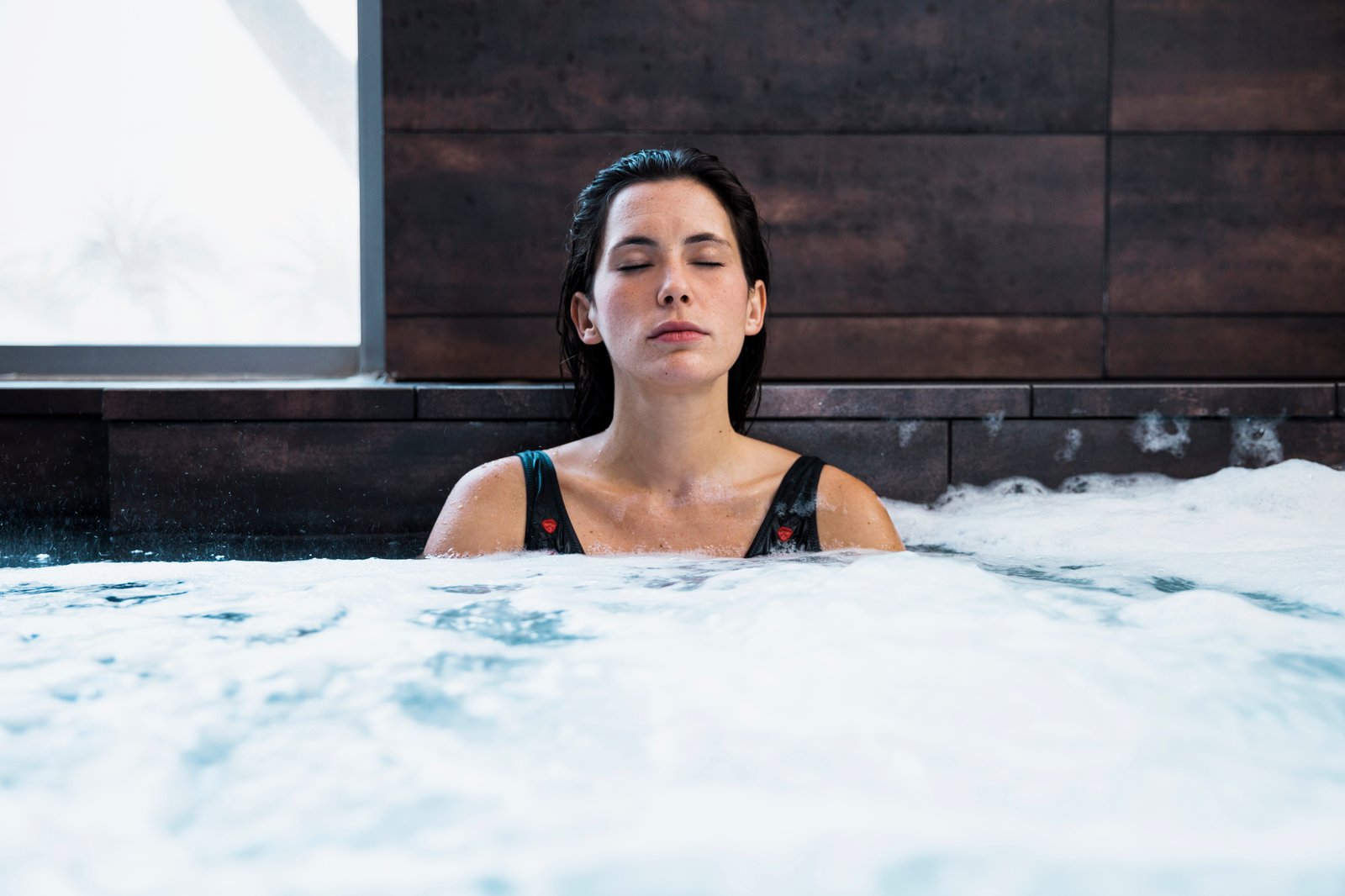
Research: Miller et al. (2022), International Journal of Sports Physiology and Performance, found that athlete compliance with cold water immersion protocols dropped significantly across a season due to discomfort and time demands, while compliance with whole-body cryotherapy remained consistently high, underlining the practical advantage of cryotherapy for regular use.
When an Ice Bath Might Still Be the Right Choice
Cryotherapy is not always accessible or appropriate for everyone, and it is worth being balanced about this. Ice baths have a strong evidence base, are inexpensive to set up at home, and remain highly effective for localised muscle recovery after intense training. For athletes without access to a professional cryotherapy facility, a well-executed ice bath protocol is a legitimate and valuable recovery tool.
- Ice baths are cost-effective and available to anyone at home
- Strong evidence base for reducing localised muscle damage post-training
- May be preferable for targeting specific areas such as the legs after running
- Useful when cryotherapy is not accessible between professional sessions
Active Clinics Insight: The two methods do not have to be mutually exclusive. Some clients in Birmingham use home ice baths between professional Cryotherapy Chamber Birmingham sessions at Active Clinics, getting the best of both approaches across a training week.
Frequently Asked Questions
Is Cryotherapy Chamber Birmingham safe?
Yes. Whole-body cryotherapy at Active Clinics Birmingham is professionally supervised, with sessions lasting no more than three minutes. The dry cold air does not penetrate to deep tissue in the way cold water does, and the short duration means core body temperature is not significantly affected. Most clients tolerate it comfortably.
How often should I use cryotherapy?
For recovery and general wellness, two to three sessions per week is a common recommendation. During intensive training periods or post-injury recovery, daily sessions in the short term may be appropriate. Your practitioner at Active Clinics Birmingham will advise based on your individual goals and training load.
Can cryotherapy be combined with other treatments?
Absolutely. Cryotherapy Chamber Birmingham pairs well with Hyperbaric Oxygen Therapy Birmingham, IV Drip Therapy Birmingham, and Vitamin B12 Injections Birmingham as part of a broader recovery and wellness protocol. It also complements skin treatments at Active Clinics Birmingham by supporting circulation and reducing inflammation.
The Verdict: Which Is Better?
For most people in Birmingham, Cryotherapy Chamber Birmingham comes out ahead on most measures. It is faster, more comfortable, produces a stronger systemic anti-inflammatory and neurological response, supports skin health, and is professionally supervised for consistency and safety. The research increasingly supports it as the more effective systematic recovery tool, particularly for regular use across a training season or wellness programme.
Ice baths remain a valid, accessible option for home recovery between sessions, and the two methods work well in combination. But if you are choosing one professional treatment to invest in, the evidence points clearly toward whole-body cryotherapy.
Visit activeclinics.co.uk to book your Cryotherapy Chamber Birmingham session and speak with the team about building the right recovery plan for you.
activeclinics.co.uk | Cryotherapy Chamber Birmingham | Hyperbaric Oxygen Therapy Birmingham | IV Drip Therapy Birmingham | Vitamin B12 Injections Birmingham
Our Team
We are a dedicated team of qualified skin specialists, health and wellness experts, and professional sports therapists, committed to helping you look, feel, and perform your best
Learn More